


 Language: English

























Solutions
Horse Construction offers full range of structural strengthening materials with technical supports, documentation supports, products supports, project supports.
Growing Traffic Loads on Bridges: Causes, Impacts and Reinforcement Methods
Bridges are key parts of road and highway systems. They carry vehicles, connect areas and support economic activities. In many countries, traffic volumes on bridges have been increasing continuously. This trend brings heavy pressure to bridge structures and requires effective responses.
Causes of Increased Traffic Volumes on Bridges
The growth in traffic on bridges is mainly driven by social and economic development.
First, urban expansion and population growth lead to more daily trips. More people commute by cars, buses and vans, so traffic becomes much heavier.
Second, economic development and freight transport increase the number of trucks. As trade and logistics grow, heavy vehicles use bridges more frequently.
Third, road network connection makes bridges busier. Many bridges lie on main routes, so they bear traffic from wider areas.
Finally, some bridges were designed many years ago. Their original traffic capacity cannot meet today’s demand.
Impacts of Increasing Traffic on Bridges
Higher traffic volumes bring serious challenges to bridge safety and performance.
Heavier live load makes bridge decks, beams and piers under greater stress. Structures may deform more obviously.
Repeated loading causes fatigue damage, especially in steel bridges. Cracks may appear and grow at joints and connections.
Faster deterioration happens to pavement, expansion joints and bearings. Maintenance costs rise quickly.
Safety margin decreases because bridges work under long-term high stress. The risk of damage and failure increases.
In severe cases, bridges may need temporary control or closure, causing traffic jams and economic loss.
Responses and Solutions
To deal with the problems caused by increasing traffic, a comprehensive strategy is needed.
(1) Structural Evaluation and Monitoring
Regular inspection and load rating help engineers know the real condition of bridges.
Smart monitoring systems using sensors can track strain, deflection and vibration in real time, so risks can be found early.
(2) Structural Strengthening and Repair
Bridges with insufficient capacity can be upgraded with modern techniques:
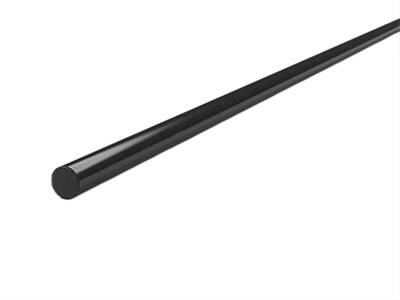
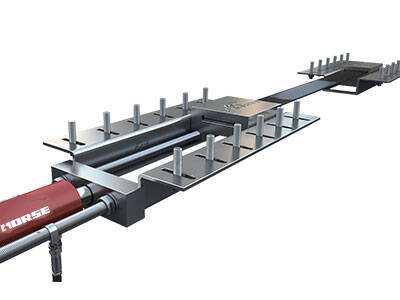
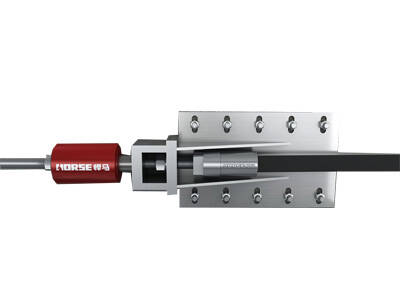
Strengthening with CFRP (carbon fiber reinforced polymer)to improve strength and stiffness without much extra weight.
Adding steel plates or external prestressing to enhance bearing capacity.
Repairing damaged parts such as cracked decks and failed bearings.
(3) Traffic Management and Control
Proper traffic control reduces stress on bridges:
Setting and enforcing weight limits to prevent overloading.
Arranging lane control and diverting heavy trucks when necessary.
Optimizing traffic flow to reduce congestion and dynamic impact.
(4) Planning and New Construction
For long-term development, government and engineers can:
Build new bridges or alternative routes to share traffic pressure.
Design new bridges with higher capacity to meet future traffic growth.
By combining these measures, we can keep bridges safe, durable and functional to support sustainable transportation development.
You can find anything here you are in need of, have a trust trying on these products, you will find the big difference after that.

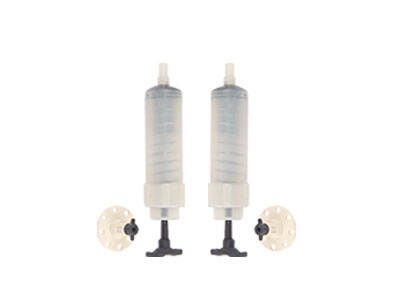
two-components modified epoxy resin adhesive, with high quality plastic tube, double cartridge package

Modified epoxy resin structural perfusion adhesive, specifically for supporting adhesive bonded steel reinforcement

High strength crack sealing repairing adhesive for the fracture surface of concrete crack
